How IBC Tanks Improve Storage and Material Handling Efficiency
Intermediate Bulk Containers, commonly referred to as “ibc” tanks, are a reliable option for storing and transporting liquids and bulk materials. Their durable structure, reusable design, and operational flexibility make them a preferred choice in many industries.
What Are IBC Tanks?
IBC tanks are large-capacity containers built for the safe storage and movement of liquids, semi-liquid products, and some bulk materials. They are widely used in industries such as agriculture, chemical production, pharmaceuticals, and food processing. Most IBC tanks use a high-density polyethylene (HDPE) inner container supported by a metal cage frame, which improves durability and handling stability.
Key Features of IBC Tanks
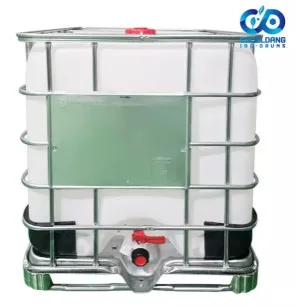
IBC tanks are widely used because they offer several practical features for industrial operations:
- Durability: Their reinforced construction helps them perform well during repeated loading, transport, and storage.
- Reusability: Many IBC tanks are designed for multiple use cycles, helping businesses reduce waste and packaging costs.
- Space Efficiency: Their uniform, stackable shape supports efficient warehouse storage and organized shipment layouts.
Benefits of Using IBC Tanks
IBC tanks provide several advantages for companies that handle liquid and bulk materials regularly:
One key benefit is better cost efficiency. Because IBC tanks are durable and reusable, businesses can reduce the need for frequent container replacement. Their larger capacity also helps improve shipping efficiency and lowers handling time.
Another important benefit is safety. IBC tanks are typically built with secure closures and sturdy frames that help reduce leaks, spills, and contamination risks. This is especially valuable when storing regulated or sensitive materials.
They also offer excellent versatility. IBC tanks can be used for a wide range of applications, including water storage, industrial liquid handling, and food-grade ingredient transport. This broad compatibility makes them useful in many sectors.
Applications of IBC Tanks
IBC tanks are used across multiple industries, with different applications depending on the product type:
| Industry | Application |
|---|---|
| Agriculture | Storage of irrigation water, fertilizers, and liquid crop care products |
| Chemicals | Transport and storage of industrial chemical liquids |
| Food and Beverage | Storage of edible oils, syrups, and liquid processing materials |
Choosing the Right IBC Tank
To choose the right IBC tank, it is important to review a few operational factors:
- Material: Select a tank material that is suitable for the product being stored and transported.
- Size: Choose the appropriate capacity based on volume requirements and transport planning.
- Regulations: Make sure the tank complies with industry standards and safety requirements for your use case.
Overall, IBC tanks are a dependable and efficient solution for businesses that need secure storage and transport for liquids and bulk materials. Their strength, reusable design, and flexible applications make them a strong long-term asset.
If your business is looking to improve storage performance and reduce packaging waste, IBC tanks are a practical option to consider. Reviewing your material type and workflow needs will help you select the right tank configuration.