ibc tank for Bulk Handling: Practical Efficiency for Storage and Transport
ibc tank help streamline bulk storage and movement by reducing handling steps, improving space usage, and supporting more consistent workflows. Learn how ibc tank are used and what to check before choosing one.
In busy industrial environments, small inefficiencies multiply quickly. When teams spend extra time moving many small containers, relabeling units, or cleaning up minor spills, the cost shows up as slower throughput. An ibc tank solves this by consolidating volume into fewer standardized units. With an ibc tank format in place, staging becomes cleaner, transfers become more repeatable, and storage planning becomes easier to maintain across shifts.
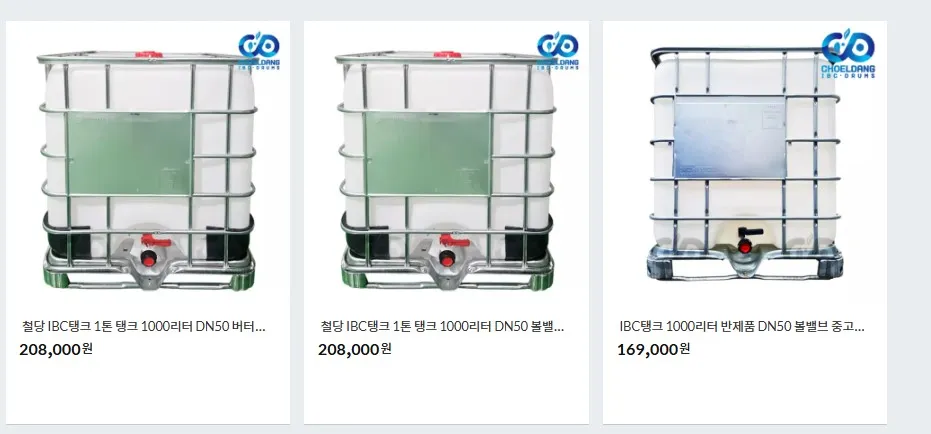
Product link:
ibc tank
What an ibc tank is and why it is widely used
An ibc tank is a reusable container built for storing and transporting liquids or certain bulk materials. What makes an ibc tank practical is its combination of capacity, durability, and handling-friendly design. Because the ibc tank footprint is typically consistent, teams can plan storage zones, loading patterns, and inventory routines with fewer surprises.
Where an ibc tank fits best
Different industries use an ibc tank for different reasons, but the value tends to appear wherever bulk volume and repeatable transfers are common:
- Facility storage zones: an ibc tank can reduce clutter by replacing multiple small containers with fewer bulk units.
- Production support: an ibc tank staged near operations can stabilize input supply and reduce frequent refills.
- Distribution workflows: an ibc tank format can simplify loading plans and improve staging speed for outbound logistics.
Benefits of adopting an ibc tank format
The most noticeable benefits of an ibc tank often appear in day-to-day handling efficiency and overall operational consistency:
| Benefit | Description |
|---|---|
| Fewer handling cycles | An ibc tank can reduce the number of moves and transfers compared to small-container workflows, lowering labor friction. |
| Improved space efficiency | Stack-oriented layouts and consistent footprints help make an ibc tank easier to stage and store in organized zones. |
| More predictable logistics | Standardized ibc tank routines can improve transport planning, from pallet positioning to securing and unloading. |
| Better process control | Using fewer units can simplify tracking, labeling, and inventory checks when an ibc tank is part of the workflow. |
Selection checks before choosing an ibc tank
To select the right ibc tank, evaluate how it will be used, not just how much it holds. These checks reduce mismatch risk and help long-term consistency:
- Compatibility: verify the ibc tank material and internal surfaces are compatible with what you will store.
- Capacity planning: match ibc tank volume to consumption rate, delivery schedule, and available floor space.
- Dispensing method: confirm valve type, fittings, and access points align with your transfer process and safety requirements.
- Handling equipment: ensure forklifts, pallet jacks, racks, and staging layout support the ibc tank footprint and load limits.
- Storage conditions: consider temperature, sunlight exposure, and whether the ibc tank will be stored indoors or outdoors.
In conclusion, an ibc tank can make bulk handling simpler by cutting down repetitive movements, improving storage organization, and supporting predictable logistics routines. When the ibc tank is chosen based on compatibility and workflow design, it becomes a reliable part of daily operations rather than an added complication.
To implement an ibc tank smoothly, start by mapping where handling time is lost today, then introduce the ibc tank format in areas where standardization will deliver the clearest impact, such as staging, transfer points, or production supply support.